Homeschooling doesn’t have to feel like traditional school at home. With intentional routines woven into everyday life, learning becomes natural, exciting, and meaningful. These routines help children develop critical skills, creativity, and curiosity — all while strengthening family bonds. Here are five homeschooling routines you can start today that make everyday learning enjoyable.
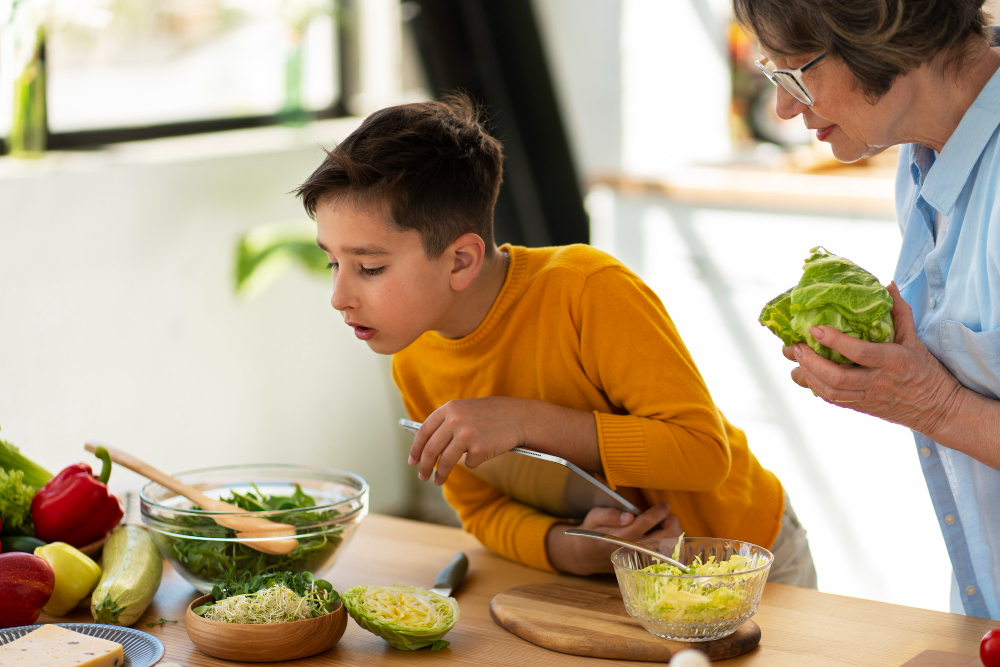
1. Kitchen Science Every Morning
The kitchen is one of the easiest places to teach science concepts in real life. Cooking and baking involve math, chemistry, and problem-solving.
How to Implement:
- Let kids measure ingredients to learn fractions and volume.
- Explain chemical reactions in baking, like why baking soda makes pancakes fluffy.
- Encourage kids to predict outcomes, like what happens if they swap sugar for honey.
Benefits:
- Hands-on learning keeps kids engaged
- Builds life skills and independence
- Reinforces STEM concepts naturally
Extra Tip: Start simple — even scrambled eggs or smoothies can be mini science experiments!
2. Outdoor Nature Journals
Fresh air, sunlight, and curiosity go hand-in-hand. Nature journaling teaches observation, writing, and artistic skills.
Routine:
- Take daily walks in the backyard, park, or nearby trail.
- Encourage kids to sketch plants, animals, or weather changes.
- Ask questions like, “Why do leaves change color?” or “What insects live here?”
Benefits:
- Strengthens scientific observation skills
- Encourages mindfulness and connection to nature
- Sparks creativity through drawing and journaling
Pro Tip: Add seasonal challenges, like identifying 5 different types of leaves in fall or tracking bird migration.
3. Math Through Everyday Tasks
Math doesn’t have to be worksheets and textbooks. Integrating numbers into daily life makes it relevant and fun.
Examples:
- Grocery shopping: counting items, comparing prices, or budgeting
- Cooking: measuring ingredients and calculating portions
- Household projects: measuring spaces for furniture or organizing shelves
Benefits:
- Practical understanding of math concepts
- Problem-solving skills develop naturally
- Kids see math as useful rather than abstract
Extra Tip: Use fun tools like measuring cups, scales, and rulers to make learning interactive.
4. Story Time With Purpose
Reading together is a classic homeschooling activity, but you can take it a step further to develop comprehension and critical thinking.
How to Implement:
- Choose age-appropriate books and read together daily.
- Discuss character decisions and outcomes: “Why did they do that?”
- Connect stories to real life: “Have you ever felt this way?”
Benefits:
- Improves reading comprehension and vocabulary
- Boosts emotional intelligence
- Strengthens communication skills
Extra Tip: Encourage older kids to write alternative endings or create their own short stories inspired by what they read.
5. Art Around the House
Creativity is essential for problem-solving and self-expression. Incorporating art into daily routines makes homeschooling fun and memorable.
Ideas:
- Create a dedicated art corner with paints, crayons, and recycled materials
- Weekly challenges like “design a dream treehouse” or “illustrate a favorite story”
- Combine art with other subjects: draw historical events, scientific diagrams, or math patterns
Benefits:
- Encourages imagination and experimentation
- Develops fine motor skills and focus
- Integrates learning across subjects
Extra Tip: Display artwork around the house to celebrate achievements and boost confidence.
Additional Tips for Effective Homeschool Routines:
- Consistency matters: Keep routines flexible but predictable
- Incorporate family: Siblings can learn together and help each other
- Celebrate small wins: Positive reinforcement keeps motivation high
- Mix it up: Alternate between indoor and outdoor activities to maintain engagement
Conclusion:
Homeschooling is not about rigid schedules or endless worksheets. By weaving learning into everyday life, you create experiences that are fun, meaningful, and memorable. Start with one routine and gradually add more — soon, learning will feel natural for the whole family.
Call-to-Action: Join our community for more homeschooling tips, free printable worksheets, and creative ideas to make learning an adventure every day!
Internal Link Suggestions:
- Link to a post on DIY educational activities for kids
- Link to a family-friendly recipe blog for hands-on learning
- Link to a post about creating mindful routines at home